
- Assembly & Gearbox
- Electric Rickshaw Handle Switch
- Electric Tricycle Conversion kit
- Tricycle Analog & Digital Meters
- Tricycle Brake System
- Tricycle Controller & Converter
- Tricycle Cross Shaft or Universal Joint
- Tricycle DC Motor & Differential
- Tricycle Gear Pinions
- Tricycle Handle T-Set & Light Ear
- Tricycle Head Lamp, Horn & Switches
- Wheel Rim & Shock Absorber
- Tricycle Other Spare-Parts


5 Powerful Ways E-Bikes & Scooters Revolutionize Daily Life

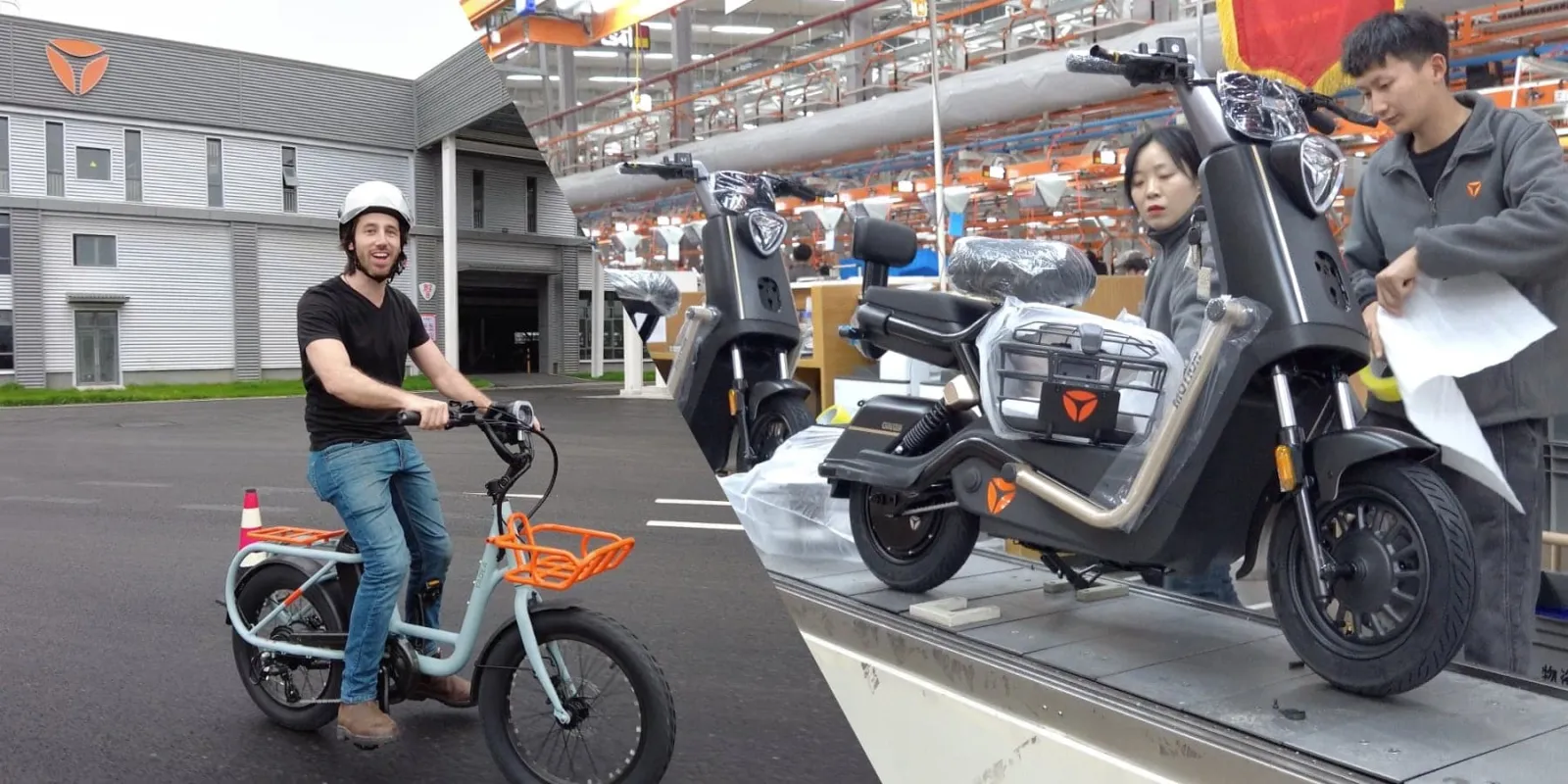
In today’s world, where traffic jams, pollution, and the rising cost of living are part of daily life, finding better ways to move around has never been more important. Electric bikes and electric transportation—a game-changing solution that combines the joy of cycling with the convenience of an electric motor. Whether you’re looking to improve your daily commute, reduce your carbon footprint, or get a little more exercise, e-bikes are making life easier, healthier, and more sustainable. Let’s explore five powerful ways e-bikes and other electric transport solutions, like electric auto rickshaws and electric rickshaws, are transforming the way we live.
Making Transportation Greener
One of the most exciting things about electric bikes and electric rickshaws is how they’re helping us move toward a more sustainable future. As more people choose electric transportation over gas-powered vehicles, they’re doing their part to reduce pollution and preserve the planet.
- Zero Emissions: Unlike traditional cars and auto rickshaws, which emit harmful gases, electric bikes and electric rickshaws don’t pollute the air. They’re powered by electricity, meaning no CO2 emissions or toxic gases are released into the atmosphere. As cities push for greener energy, e-bike owners can power their rides with renewable sources like solar energy, making their environmental impact even smaller. The growing necessity of electric transport is becoming clear, especially in cities looking to tackle pollution.
- Less Traffic: We all know how frustrating it can be to sit in traffic. Electric bikes and rickshaws, being smaller and more nimble, can avoid gridlock, helping clear up crowded streets. This means fewer cars on the road, less congestion, and cleaner air. Whether it’s the electric bike weaving through traffic or the electric rickshaw zipping along narrow lanes, electric transportation is helping alleviate urban congestion.
- Energy Efficiency: Electric bikes and rickshaws are incredibly energy-efficient. They use less energy than gas-powered vehicles, and the cost of charging them is much cheaper than refueling a car or an auto rickshaw. This makes electric transportation a wallet-friendly alternative, while also being more environmentally conscious.
E-bikes and electric rickshaws are changing how we think about transportation, offering an eco-friendly, affordable alternative to traditional, fuel-powered vehicles. Their impact is felt not only by individuals but also by entire cities working toward sustainable living.
Improving Health Without Overdoing It
A lot of people think of cycling as a workout, but let’s be honest—sometimes it’s just not possible to ride a traditional bike up that massive hill or across long distances. This is where electric bikes shine: they allow you to get some exercise while making your commute easier, especially when you’re not in the best shape or just don’t feel like pushing too hard.
- Exercise with Assistance: One of the best things about e-bikes is that you can adjust the level of electric assistance. So, if you’re feeling strong, you can pedal on your own, but if you’re not in the mood for a challenging ride, the motor will help. This makes cycling more accessible to people of all ages and fitness levels. It’s not just about getting from point A to point B; it’s also about improving your health with less strain.
- Reducing Physical Strain: For those who might find regular cycling too tough on their joints or muscles, e-bikes offer a way to enjoy the benefits of cycling without overexertion. Whether you’re recovering from an injury or just don’t want to push yourself too hard, the electric motor can give you a helping hand, making it easier to stay active and healthy.
- Mental Health Boost: Cycling, in general, is great for mental health. Getting outside, enjoying the fresh air, and moving your body can reduce stress and boost your mood. With an e-bike, you can enjoy all the benefits of cycling without feeling drained afterward, which means you’re more likely to stick with it long term.
E-bikes provide an excellent way to stay fit, improve health, and reduce the physical strain of traditional cycling. The electric motor makes getting active accessible to a wider range of people, promoting an overall healthier lifestyle.
Commuting Made Easy and Fast
Anyone who’s been stuck in traffic knows that commuting can be a nightmare. Long waits, frustrating delays, and the added stress of finding parking—it’s enough to make you dread getting into your car every day. That’s where e-bikes and electric rickshaws really stand out: they make commuting a breeze.
- Skip the Traffic: E-bikes and electric rickshaws are perfect for dodging traffic. With their small size and speed, you can often bypass the worst of the congestion and get to your destination faster than if you were driving. They can easily weave through narrow lanes or use bike lanes, letting you glide through the city with ease. The electric motor provides a smooth, quick ride, reducing the time spent in frustrating traffic jams.
- No Parking Problems: If you’ve ever spent 20 minutes looking for parking, you know it’s one of the most annoying parts of driving. With an e-bike or electric rickshaw, you don’t need to worry about parking. You can lock your e-bike on a bike rack or bring it inside with you, and electric rickshaws often operate without the need for large parking spaces.
- Affordable Commuting: E-bikes are cheaper than owning a car, especially in terms of fuel, maintenance, and parking fees. Electric rickshaws are also an affordable transportation option in many parts of Asia, offering low-cost rides compared to traditional auto rickshaws. As electric vehicles become more mainstream, the cost-effectiveness of electric transportation will continue to grow.
E-bikes and electric rickshaws make commuting quicker, cheaper, and less stressful, offering a flexible and sustainable solution to urban transportation challenges.
Making Transportation Accessible for All
Not everyone can afford a car, and for some, traditional bikes can be too physically demanding. But e-bikes and electric rickshaws offer a solution that’s affordable, accessible, and inclusive. Whether you’re a student on a budget, a senior citizen, or someone who simply doesn’t want to deal with the hassle of car ownership, e-bikes and electric rickshaws provide a better alternative.
- Lower Initial Costs: E-bikes may have a higher upfront cost than traditional bikes, but they are still much cheaper than owning a car. And with no fuel, insurance, or parking costs, the savings add up over time. The same is true for electric rickshaws, especially in urban Asia, where they are a cost-effective alternative to fuel-powered auto rickshaws.
- Inclusive Design: E-bikes are designed to be accessible to people of all ages and abilities. Seniors, people with limited mobility, and others who find traditional bikes difficult can still enjoy the freedom of cycling with the help of an electric motor. Electric rickshaws, likewise, provide an affordable and accessible option for short-distance travel, especially for people who don’t have access to other forms of transportation.
- Shared Mobility: Many cities now offer bike-sharing programs, which include e-bikes. This makes it easy for people to rent an electric bike when they need it, without having to buy one. Similarly, electric rickshaws are increasingly being used in shared mobility services across cities in Asia, offering affordable, on-demand transportation to anyone who needs it.
E-bikes and electric rickshaws are opening up new possibilities for people who might not otherwise have access to affordable transportation, making urban mobility more inclusive.
Boosting Local Economies and Reducing Pollution
E-bikes, electric auto rickshaws, and electric rickshaws aren’t just benefiting individuals—they’re also having a positive impact on local businesses, tourism, and the economy.
- Tourism-Friendly: Many cities are now offering electric bike rentals to tourists, allowing them to explore urban areas and scenic spots without the environmental impact of traditional motor vehicles. Electric rickshaws also offer a more eco-friendly way to experience the city, giving visitors an enjoyable and sustainable transportation option. The growing popularity of electric bikes and rickshaws is opening up new opportunities in the tourism industry.
- Local Job Creation: As the demand for electric transportation grows, so does the need for businesses that support it, including bike rentals, repair services, and charging stations. This creates new jobs and stimulates local economies, especially in regions where electric rickshaws are becoming more common.
- Reducing City Pollution: Electric rickshaws are also a major factor in reducing urban pollution, especially in areas of Asia where the pollution from traditional auto rickshaws is a significant concern. By replacing gas-powered vehicles with electric rickshaws, cities can improve air quality and reduce their carbon footprint.
The rise of electric bikes and electric rickshaws is helping local economies thrive while supporting sustainable development and reducing pollution in urban areas.
Conclusion
Electric bikes, electric rickshaws, and electric auto rickshaws are more than just a trend—they’re revolutionizing the way we move around cities. From reducing pollution and improving health to making commuting more affordable and accessible, electric transportation is changing daily life for the better. As we look toward the future of electric three-wheelers and their role in public transport, it’s clear that these innovations are here to stay. Whether you’re riding an e-bike for a healthier commute, hopping into an electric rickshaw to explore the city, or considering the long-term benefits of electric transportation, it’s clear that these technologies will continue to shape the future of urban mobility.